
With the 100 year commemoration of Beersheba it feels timely to share some background to my historical story, Light Horse Boy. I was recently invited to contribute text to the Westbury RSL Light Horse Remembrance. Here is part of that tribute:
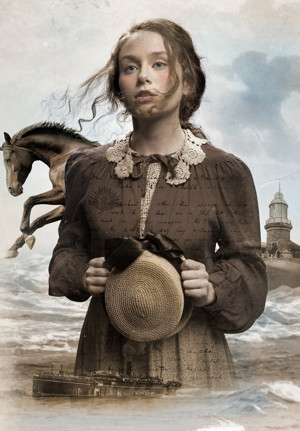
Light Horse Boy was sparked by research for its companion title, Lighthouse Girl.
As I read about the thousands of Walers taken to WWI battlefields and the bonds between the horses and Australian soldiers, I knew I needed to write a second book. My writing journey spanned three years. I became fascinated by the story of Sandy. For me he represented all the Walers; those faithful and brave horses that didn’t come home. As I learnt more about Sandy, the shape of my manuscript changed. I found a reason to shift my fictitious human character, Jim from the troopship Wiltshire to the flagship Orvieto, by making him a farrier, thus allowing Jim to meet Major General Bridges and Sandy, and for their stories to interweave. After four years of battle I then wanted to find a way for Jim and Sandy to reunite, so that I could introduce young readers to Sandy’s story.
I live in Albany, the place where troopships of the 1st and 2nd AIF convoys gathered in late 1914, now home to the National Anzac Centre and the iconic Desert Mounted Corps Memorial, a recast of the original horse and soldier statue erected at Suez in 1932. Each Anzac Day a Dawn Service is held beside this powerful memorial. I’ve often gazed at the evocative statue imagining the stories of Light Horse men and their mounts.
My Light Horse Boy research took me to the Gallipoli Peninsula, Major General Bridges’ grave in Canberra, Maribyrnong, home of the remount centre where Sandy spent his post-war years and the AWM Research Centre. Along the way I learnt the names of faraway battlefields; El Arish, Magdhaba, Romani, Gaza and of course Beersheba.
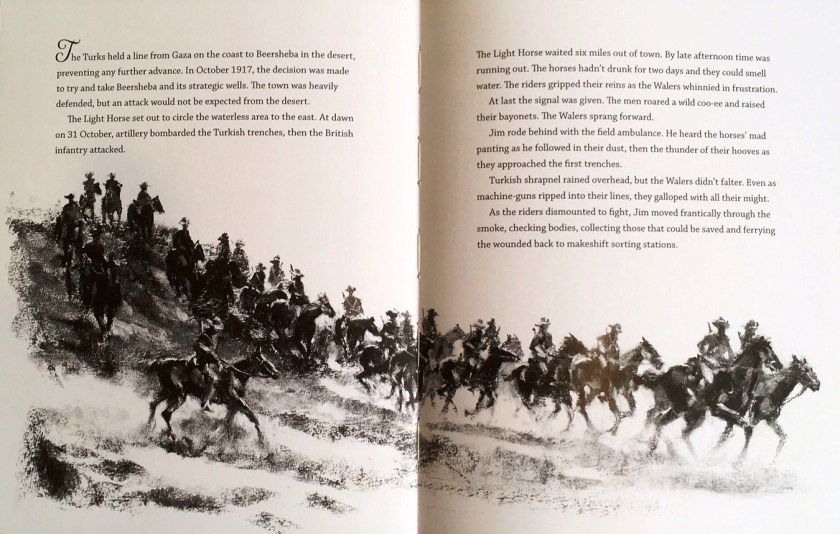
Crafting an historical novel, for me, involves months of research, then I write (well over a hundred drafts) until a solid read-through version emerges. Then the hard work begins; shaping and editing, trying to cull anything that doesn’t add to the story arc. The final draft is like the tip of an iceberg. Readers will be unaware of the shaping and substance below, but that weighty base is important. The Beersheba scene in my story typifies this. For the spread above, I read several military titles, trying first to fully understand nuances of this extraordinary charge and then to capture the heart of this battle in an engaging way for young readers. Most of all I wanted to ‘get it right’ as a way to honour those who served – both human and animal.
Lest we Forget.
 If it’s a book title, a lot!


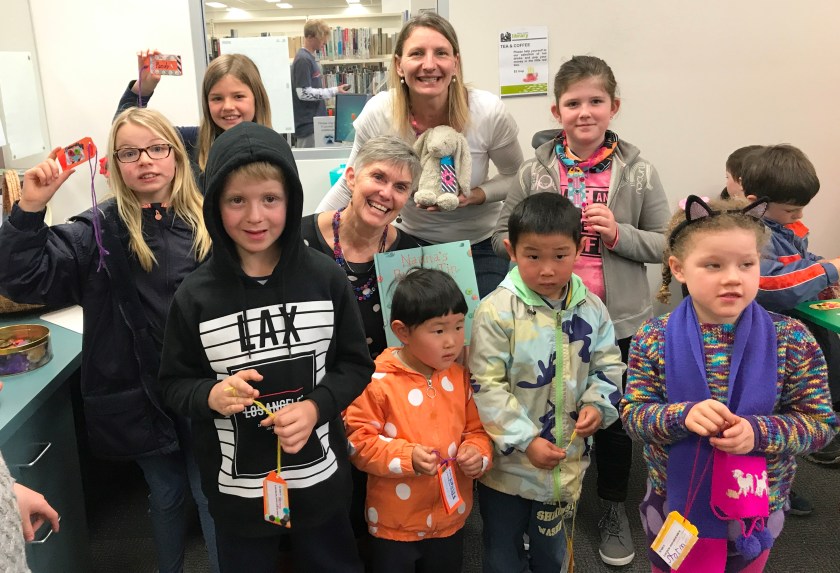




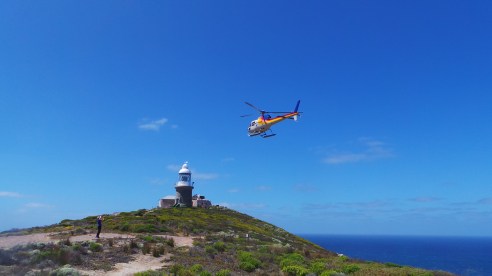


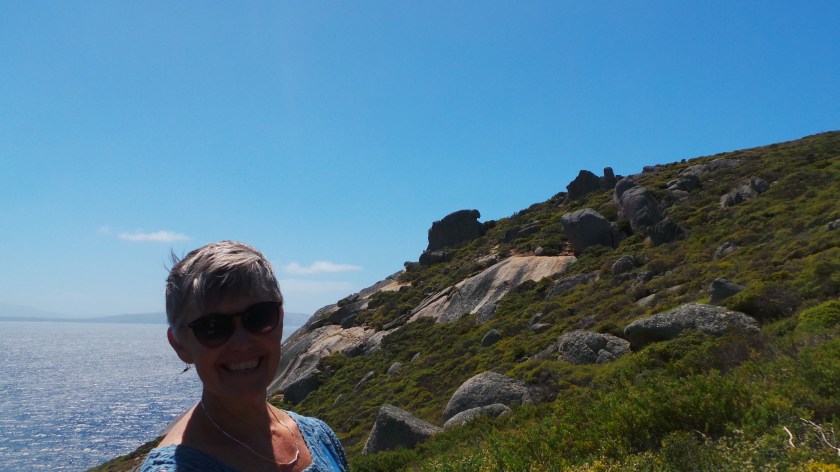


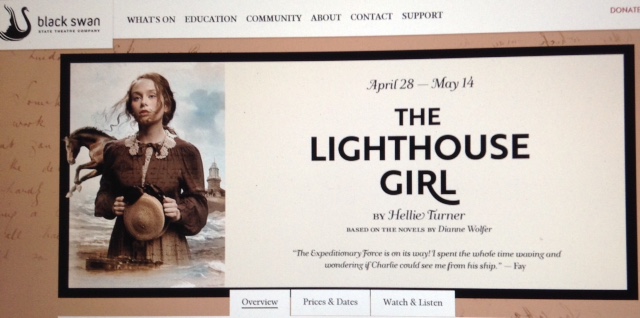
 2016 has been a whirl, with so many highlights, as well as the challenge of balancing study, writing and work commitments.
 schools I’ve previously visited is especially rewarding. In the first half of the year that included St Stephen’s, St Mark’s and Lakeside SHS (Perth) as well as St Josephs College in Albany…


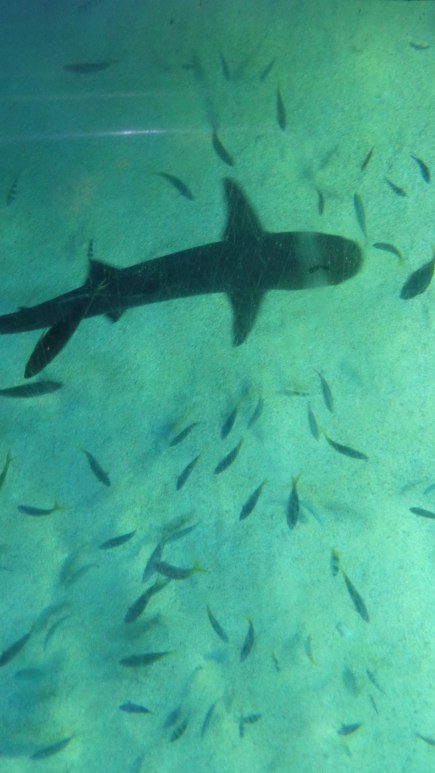
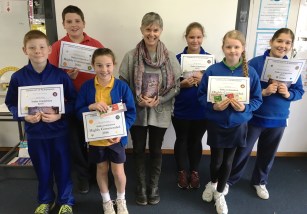
 was no exception. The excitement began with Albany Library and Penguin Random House helping to organise a Shark Caller Haiku Competition. The entries were delightful and I met with the winners to enjoy a milkshake meeting.
 Being in Sydney also gave me the opportunity to spend the day with Penguin Random House publicist, Zoe Bechara visiting local bookshops to talk about The Shark Caller.
  So that was my 2016. Thank you again to all of the schools, festivals and libraries that hosted me this year. After the adventures above, my 2017 resolution was going to be to slow down and enjoy each moment… however with some exciting events coming up, this might be a challenge!




 Dianne Wolfer